

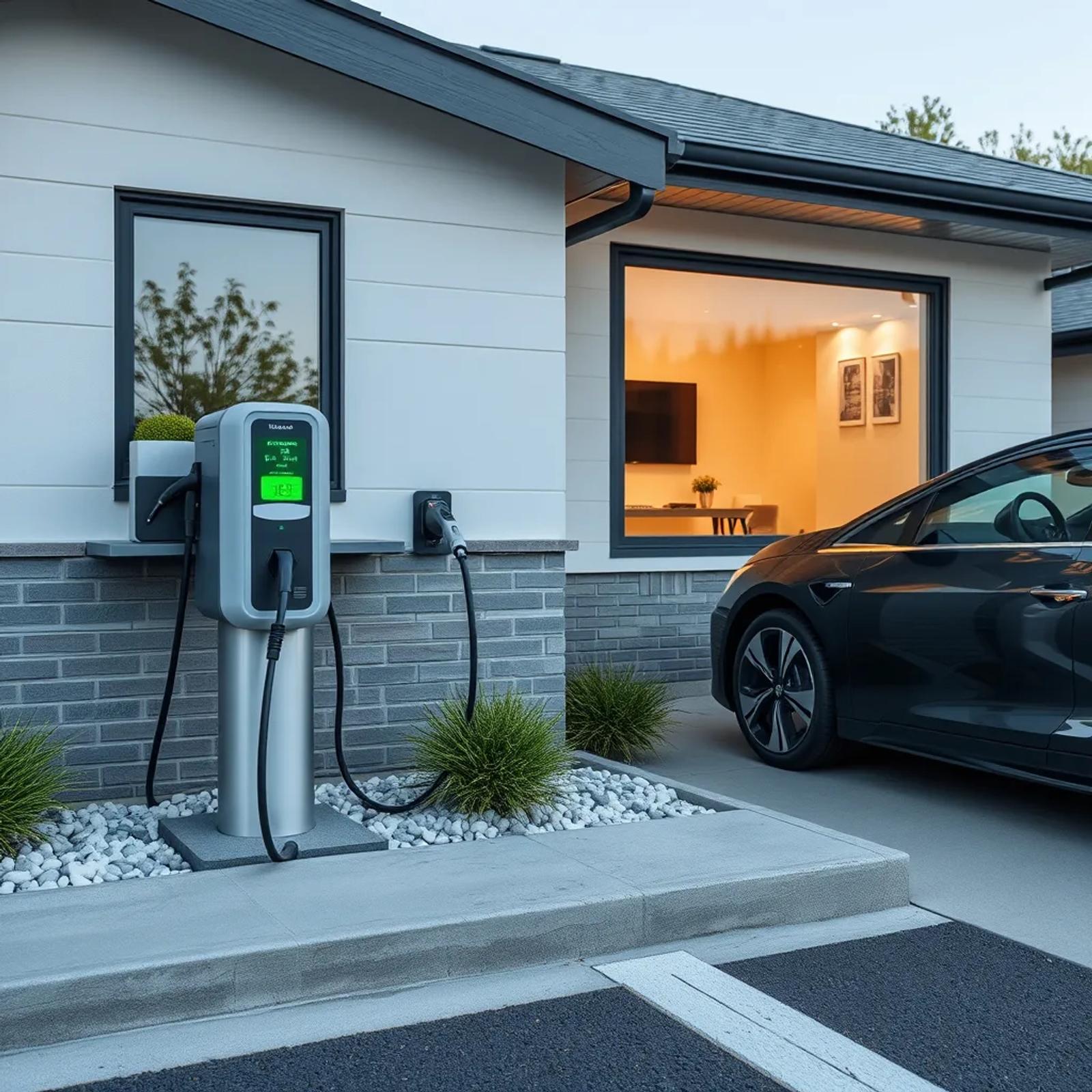
With the rapid growth of electric vehicles (EVs) across the UK, businesses and property managers are increasingly installing EV chargers on their premises. While this supports sustainability goals, it also introduces new fire safety risks.
Why Fire Safety Matters
EVs typically use lithium-ion batteries, which can pose serious fire risks if damaged or improperly charged. Allianz and the Fire Protection Association (FPA) highlight that thermal runaway can lead to fires or explosions, especially during charging.
Allianz's Key Recommendations
- Install chargers through OZEV-authorised providers (EVHS or Workplace Charging Scheme)
- Use only OZEV-approved charge point models and manufacturer-approved accessories
- Avoid charging via standard outlets (Modes 1 and 2) or extension cables
- Ensure emergency manual isolation is available
- Keep charging areas clear of combustible materials, ensure proper ventilation
- Provide staff training on safe charging and emergency procedures
- Include EV charging risks in fire risk assessments and emergency action plans
Fire Protection Best Practices (RC59 Highlights)
- Install chargers in open, well-ventilated or fire-compartmentalised areas
- Use automatic fire detection systems, consider sprinkler protection in enclosed car parks
- Maintain minimum separation distances from hazardous materials and other vehicles
- Weekly testing and periodic servicing of fire detection systems
- Clear signage and physical protection (e.g. bollards) around charging points
Eggar Forrester Insurance Advice
- Review your property insurance policy to ensure EV-related fire risks are covered
- Document all installations and inspections to support future claims
- Consult fire safety professionals for tailored risk assessments
- Stay compliant with the Regulatory Reform (Fire Safety) Order 2005 and Electricity at Work Regulations 1989
Source: Allianz Insurance — Guidance on the premises and charging of electric vehicles